If you’ve been requested to take an MRI scan, CT scan or X-ray by your physician you may be wondering why this particular exam was suggested. Each provides images of what’s going on within the body. Why can’t they be interchangeable?
Modern diagnostic imaging works as a toolbox. The information that each technology offers is unique, and will depend on the area of the body you are looking at and what medical query you’re trying find the answer to. The Wolfsburg Diagnostic Centre has a wide range of imaging technologies to match exams to meet the various diagnostic needs.
MRI Examining the body, but without Ionizing radiation
Magnetic resonance imaging, also known as MRI employs radiofrequency technology as well as magnetic fields instead of ionizing radiation for creating detailed images. MRI is particularly helpful for seeing a variety of organs, soft tissues, joints, and various internal structures. Patients suffering from joint issues for example, might require more information than what can be gathered by an ordinary Xray.
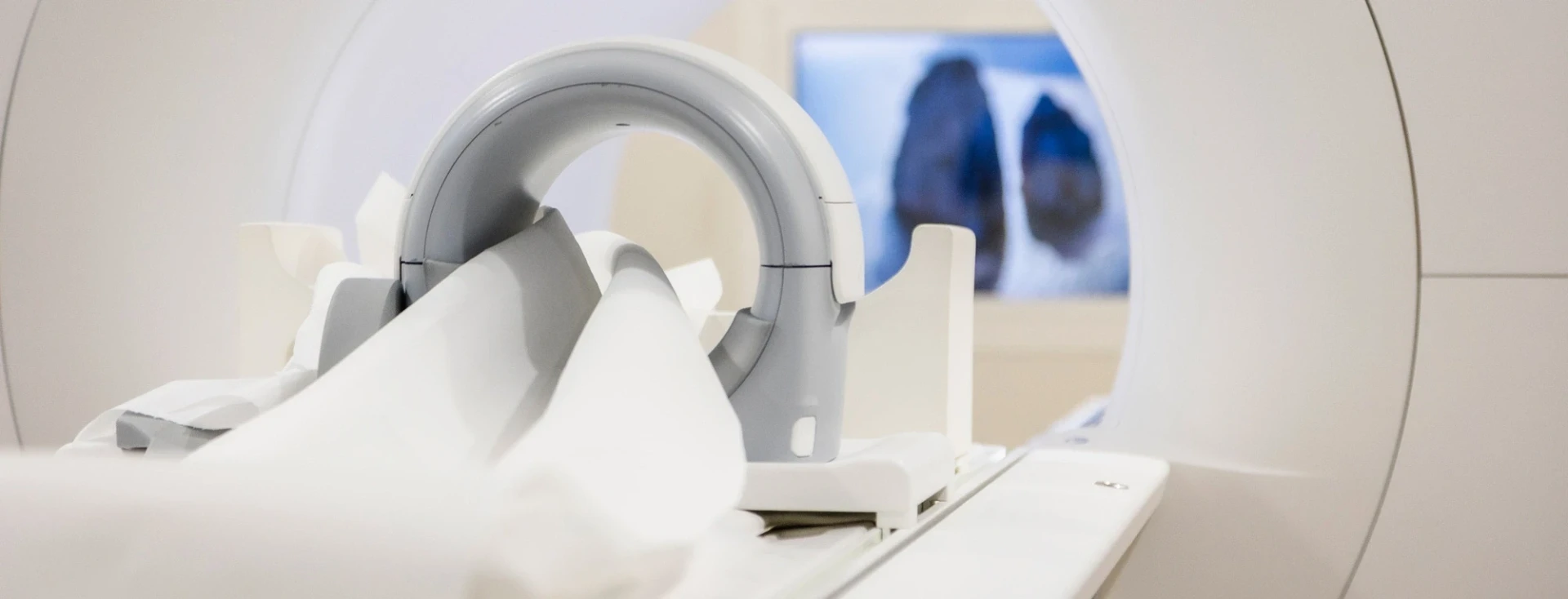
Image credit: diagnostikzentrum-wolfsburg.de
The Wolfsburg Diagnostic Center offers prostate Whole-body MRIs and MRIs for the prostate. These applications take advantage of MRI’s ability to generate detailed images without exposing patients to radiation from ionizing sources.
CT produces detailed cross-sectional views
Computed tomography approaches imaging differently. CT imaging is produced by combining X-rays and computer processing. CT images are made as slices, rather than one image. This allows physicians to analyze specific medical concerns.
The center makes use of modern low-dose CT technology that is designed to limit radiation exposure and collect the essential diagnostic information. CT imaging is also able to assist with treatment. Periradicular Therapy, also known as PRT utilizes CT guidance to guide injections for irritated nervous tissue.
The familiar X-Ray Still Does a Vital Task
The advancement of technology doesn’t make conventional radiography obsolete. Digital Xrays can be used in a wide range of scenarios, but especially when doctors must examine bones and structures. Modern digital technology can work with less radiation compared with older approaches.
Sometimes, the most complicated test isn’t the most appropriate one. A good diagnostic procedure involves choosing the right techniques that meet the medical issue, not simply choosing the newest machine.
Breast Imaging Has Its Own Specialized Technology
Mammography was designed specifically for breast diagnostics. Wolfsburg Diagnostic Center offers 3D mammography in addition to the traditional mammography. It’s also referred to as tomosynthesis. This technology allows for multiple images that can then be reconstructed to give a detailed view of the breast tissue. Since different areas of the body present various diagnostic problems, having special imaging is crucial.
An old image could make a New Image more useful
The scan of the body can provide valuable data. Comparing a previous scan with a current one can be equally beneficial.
Medical professionals can analyze the modifications in the past if they have access scans and medical reports. This is more reliable than simply interpreting an examination only. Patients are urged to bring prior imaging and medical results to appointments as often as they can.
Understanding the process can help patients understand the technology better.
The Wolfsburg Diagnostic Center combines MRI, CT, digital X-ray, mammography, 3D mammography and image-guided therapy with an emphasis on clear communication as well as organized patient treatment. For additional information, click here CT Wolfsburg
Patients are given clear explanations for their exams, and educational videos provide additional information about medical procedures. The center also focuses on an organized schedule and minimal waiting time. Modern diagnostic medicine is based on the latest technology. However it shouldn’t feel like a technical procedure which isn’t fully described.
Knowing why an exam was chosen as well as what is expected can help patients be more informed and make modern medical technology more comprehendable.